How a School-Run Electrical Apprenticeship Program Works
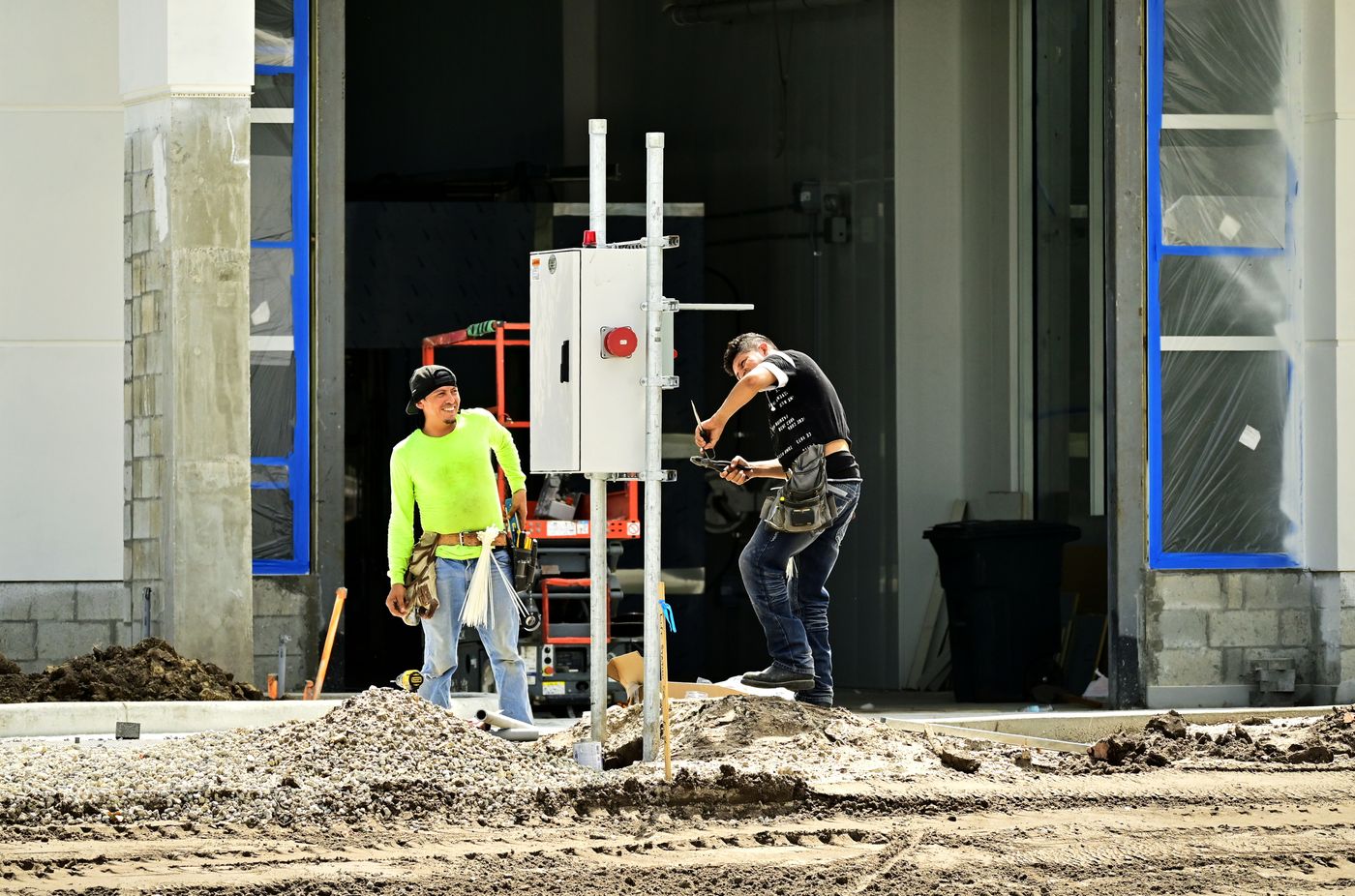
An apprenticeship has two halves. You work full time for an electrical contractor, under a licensed electrician, and get paid for it. At the same time you take related instruction, the classroom part, usually one or two nights a week. The colleges on this page run that classroom part.
Most programs describe the same basic shape: about 8,000 hours on the job, which is four years of full-time work, plus a set number of classroom hours. The classroom figure varies by state and program. Davis Technical College says Utah requires 576 classroom hours and 8,000 on-the-job hours for the journeyman license. Flagler Technical College in Florida lists 600 classroom hours plus 8,000 on the job. Rock Valley College in Illinois lists at least 800 classroom hours.
This ranking covers 43 programs at 39 schools in 18 states. Nearly all are at public colleges, 42 of the 43. They rank by the site’s overall score, which weighs exam eligibility or credit the school states, published outcomes, published cost, federal awards and schedule.
The 10 Best School-Run Electrical Apprenticeships
| School |
Program |
Length |
What the school states |
| Mountainland Technical College, UT |
Electrical Apprenticeship, 720 hours |
4 years, evening |
Fulfills Utah education requirements; $3,585 total |
| Metropolitan Community College, NE |
Electrical Apprenticeship, A.A.S. |
4 years, evening |
Four years of experience before the Nebraska exam |
| Iowa Central Community College, IA |
Electrical Apprenticeship |
Related instruction |
Meets Iowa licensure education requirements |
| Bridgerland Technical College, UT |
Electrical Apprenticeship, 24 credits |
About 4 years, evening |
Meets Utah licensure education requirements |
| Southeastern Technical Institute, MA |
Electrical I-IV Code tiers |
Evening, part-time |
Prepares for the Massachusetts Journeyman exam; $865 per year |
| Polytech Adult Education, DE |
Electrical Construction, 628 hours |
4 years |
Delaware Journeyperson eligibility after on-the-job learning |
| Salt Lake Community College, UT |
Apprenticeship Electrical, A.A.S. |
4 semesters, day, evening and weekend |
Journeyman exam needs 576 classroom and 8,000 OJT hours |
| Hillsborough Community College, FL |
Commercial Electrician Apprenticeship |
4 years, evening and weekend |
576 classroom plus 8,000 OJT hours; ABC and IEC partners |
| Davis Technical College, UT |
Electrical Apprenticeship, 24 credits |
48 months, evening |
Utah’s 576 classroom and 8,000 OJT hours |
| George Stone Technical College, FL |
Electrical Apprenticeship Program |
4 years, one night a week |
2,000 OJT and 144 classroom hours per year |
Utah stands out: four of the top ten are Utah colleges, and each describes how its hours line up with the state’s requirement.
Union, Merit-Shop and College-Only Programs
Some college programs are the classroom side of a union or contractor-association apprenticeship. Eight programs on this list name a union partner and eight name a merit-shop partner.
Union (IBEW and JATC). Northeast Wisconsin Technical College runs a 5-year Construction Electrician Apprenticeship with an IBEW JATC, with at least 8,000 on-the-job hours plus 720 hours of paid related instruction in day school. Mid-State Technical College runs an IBEW-NECA program. Rock Valley College in Rockford teaches related instruction for IBEW Local 364’s JATC, which runs the selection process. Umpqua Community College in Oregon serves the Roseburg Industrial Electrical JATC; see the Oregon license page.
Merit shop (ABC and IEC). Hillsborough Community College works with ABC and IEC. Moraine Park Technical College and Waukesha County Technical College in Wisconsin run ABC programs, and Greenville Technical College in South Carolina runs the ABC Carolinas Chapter’s program using NCCER levels.
College-run with your own employer. Utah’s colleges, Metropolitan Community College and Southeastern Technical Institute teach the classroom hours for any registered apprentice. You find the contractor yourself.
The trade school vs apprenticeship guide explains how union and merit-shop routes differ.
You Need the Job First
The biggest surprise for most people: the college usually isn’t your employer of record. Davis Technical College says it does not provide on-the-job training, and requires a licensed apprentice from the second year. Salt Lake Community College says the college itself does not take on apprentices. Bridgerland Technical College says an apprenticeship license is required to enroll from July 1, 2026. Apollo Career Center in Ohio says apprentices must be working for an electrical company before enrollment, and Flagler Technical College says you must be employed full time by the contractor that registers you.
So the order is: get hired by a contractor as an apprentice or helper, register as an apprentice where your state requires it, then enroll in the classes. A short trade school certificate can help with the first step. The fastest electrician programs ranking lists one-semester options, and Milwaukee Area Technical College describes its diploma as a step toward an apprenticeship.
What Apprenticeship Classes Cost
Classroom costs are low compared with trade school, because your employer pays your wages and the classes are part-time. Only three programs publish a whole-program price:
- Polytech Adult Education in Delaware: $1,800 tuition plus $750 for registration and books.
- Mountainland Technical College in Utah: $3,585 total.
- Apollo Career Center in Ohio: $8,500 total, or $2,125 per year, including fees and books.
Others publish estimates or rates. Bridgerland Technical College lists estimated tuition and fees of $2,758, paid in quarterly installments of $335 to $363. Davis Technical College lists an adult estimate of $3,208. Chippewa Valley Technical College lists $3,912 for tuition, fees and books. Southeastern Technical Institute lists $865 per year (2026-27). Hillsborough Community College lists no tuition or fees for classroom instruction, though apprentices may pay for tools, books and materials.
Federal aid rarely applies. Only 2 of the 43 programs are at schools that say it does. Some employers and unions cover class costs; ask the contractor that hires you.
What the Hours Cover
Apprenticeship programs spell out the work in more detail than most trade schools. Apollo Career Center in Ohio breaks its 8,000 on-the-job hours into about 600 hours of preliminary work, 4,000 of rough-in wiring, 2,000 of finish work, 1,000 of troubleshooting and service, and 400 of motor installation and control. That’s a fair picture of how an apprentice’s four years are spent: half of it pulling wire and setting boxes before the walls close.
The classroom side follows a set sequence too. Greenville Technical College’s ABC program lists its related instruction hours by NCCER level: Core 54, Level I 75, and 132 hours each for Levels II, III and IV. George Stone Technical College in Pensacola meets one night a week for four hours and lists at least 144 hours of related classroom study per year. Santa Fe College meets two nights a week in fall and spring.
Wisconsin’s programs ask for more. Moraine Park says its ABC program needs at least 8,400 total hours, with at least 576 paid and 200 unpaid hours of related instruction, and runs one day every other week for eight semesters over five years.
Credit Toward a Degree
Several colleges let your apprenticeship classes count toward a degree, which matters if you might move into supervision later. Metropolitan Community College builds its apprenticeship as an A.A.S., with 11-week quarters of two classes a week. Hillsborough says its hours can be applied to an Industrial Management Technology A.S. Santa Fe College in Gainesville says completers may receive up to 27 credit hours toward an A.S. in Leadership for Industry. Iowa Central says its coursework can apply to its A.A.S.
Northeast Community College in Norfolk, Nebraska runs the reverse: its apprenticeship is built around an Electrical Construction and Control A.A.S., and the college says a 2-year electrical degree may count for up to 2,000 of the 8,000 hours required for Nebraska journeyman licensure, though completion alone does not result in licensure.
Outcomes and Who It Suits
Two programs publish outcomes. Bridgerland Technical College reports 79% completion and 97% placement, and Dixie Technical College in Utah reports 100% for both.
An electrical apprenticeship program suits you if you want to earn from the first day, can commit to about four years, and can handle a full workday plus classes at night. It suits you less if you need a credential quickly or can’t find a contractor to hire you yet. In that case, a trade school program that states credit, from the programs with license credit list, can get you started. Check how school and work hours add up with the license hours tool, and find classes near you with the school finder.